Walk into any old Indian home, a grandmother’s kitchen, a temple courtyard, a festive gathering, and you’ll almost always find brass.
Not because it was trendy. Not because it was decorative. But because it belonged there.
For centuries, brass has been an essential part of Indian rituals. From morning pujas to wedding ceremonies, from temple bells to festive thalis, brass has quietly shaped the way India celebrates, prays, and gathers.
So why has brass remained so significant in Indian culture for generations?
Let’s slow down and understand.
The Spiritual Significance of Brass in Indian Rituals
In Indian traditions, objects were never “just objects.” They carried energy and intention.
Brass, an alloy of copper and zinc, has long been valued in Ayurveda and traditional practices for its believed purifying properties. This is one reason brass is commonly used in puja rituals water storage, and sacred offerings.
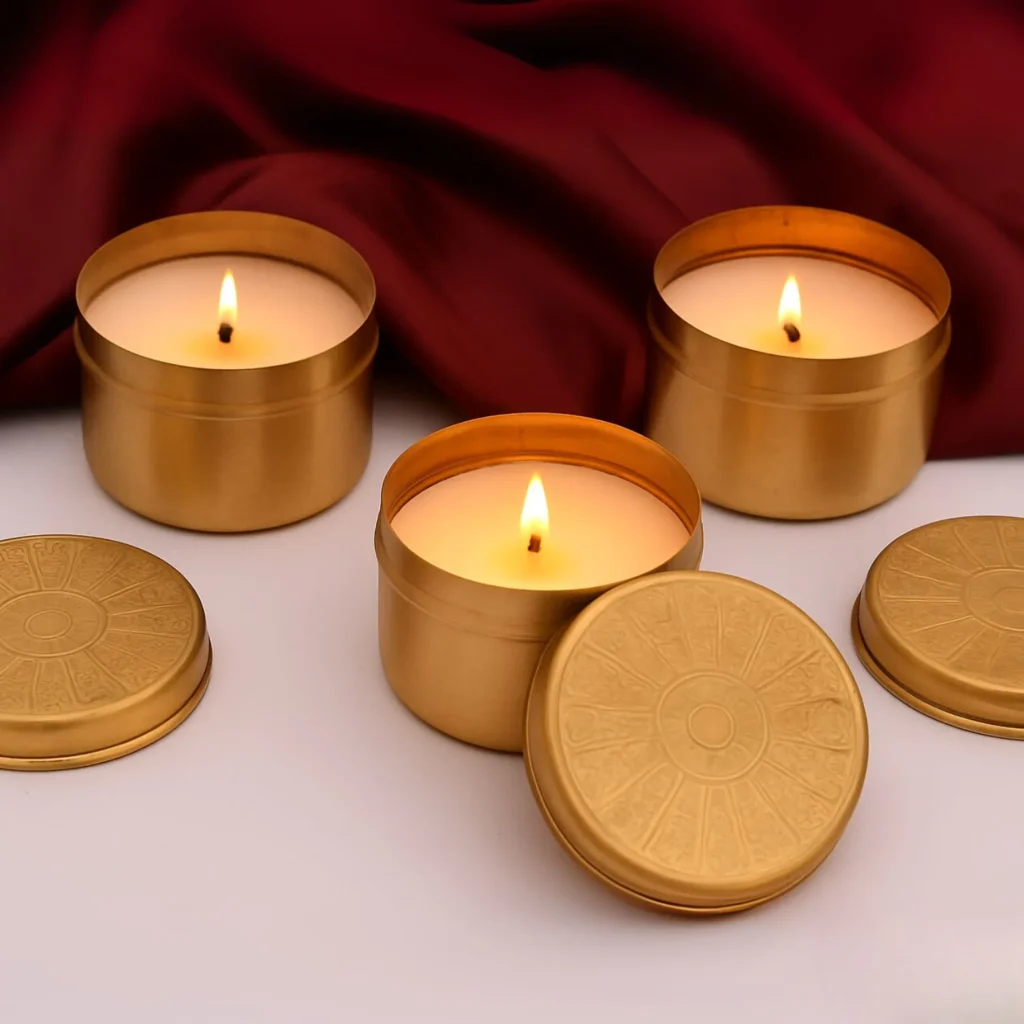
Water stored in brass vessels. Prasad served in brass bowls. Oil lamps lit in brass diyas.
The metal was considered grounding and sattvic, pure, balanced, calming. It wasn’t about luxury. It was about creating a sacred atmosphere.
Traditional Brass Utensils Were Made to Last
Before disposable culture, Indian households invested in pieces meant to survive generations.
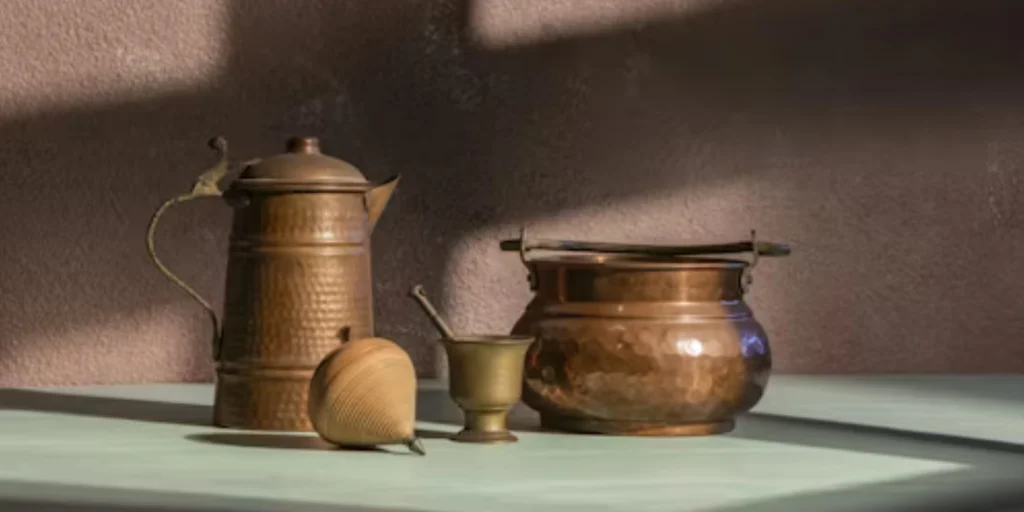
Traditional brass utensils were part of wedding trousseaus. Brass thalis and lotas were passed from mothers to daughters. Temple bells lasted decades.
Brass ages beautifully. It develops a natural patina that tells a story. It carries memory.
And rituals, at their core, are about continuity.
Choosing brass meant choosing durability, sustainability, and legacy, long before those became modern values.
Why Brass Is Used in Puja and Temple Rituals
There’s also something deeply symbolic about how brass interacts with light.
During aarti, when a diya flame reflects off a brass plate, the glow feels warmer and more radiant. In Hindu rituals, light represents knowledge, purity, and divine presence.
Brass doesn’t dull the flame, it enhances it.
That subtle reflection is part of why brass remains one of the most preferred metals for puja items in India.
The ritual doesn’t just happen. It glows.
Beauty and Practicality in Indian Homes
One reason brass has endured for centuries in India is its balance of function and beauty.
It is heat-resistant, durable, and versatile. You can cook in it, serve in it, worship with it.
It transitions seamlessly from everyday meals to sacred ceremonies, because in Indian homes, daily life and ritual life were never separate.
Brass moved between both worlds effortlessly.
Brass Encouraged Care and Mindfulness
Unlike modern materials, brass requires maintenance. It needs to be cleaned and polished regularly.
But this care was part of the rhythm of life. Rubbing a brass thali with lemon and ash before a festival wasn’t just cleaning, it was preparation. It was respect. It was slowing down before gathering.
In many ways, brass encouraged mindfulness long before the word became popular.
Why Brass Still Matters Today
Today, as more people rediscover slow living and intentional homes, brass feels grounding again.
Choosing brass serveware or barware isn’t only about aesthetics. It’s about reconnecting with heritage, craftsmanship, and sustainability.
It reminds us:
That hosting can be intentional.
That festivals don’t need excess.
That beauty can be quiet.
When we bring brass back into our homes, we’re not just decorating. We’re continuing a cultural story that has existed for centuries.
A Quiet Return to Tradition
At Tinplum, we see brass not as a trend, but as a return.
A return to warmth.
To longevity.
To meaningful rituals.
Brass has remained part of Indian traditions because it was never loud, it was lasting.
And perhaps that’s what makes it timeless.
Made slowly. Chosen mindfully