
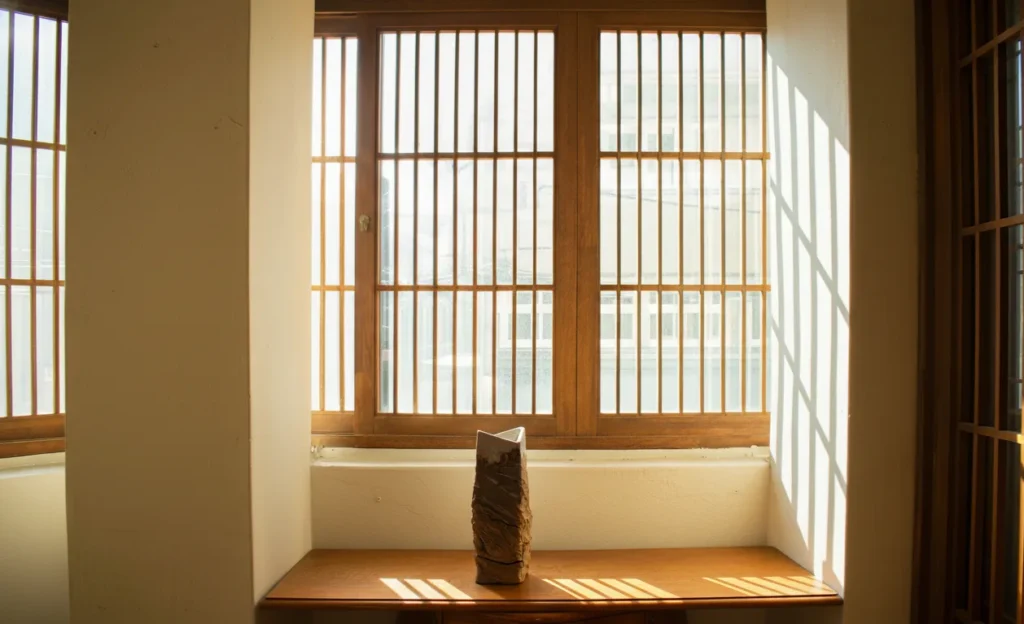
There’s a certain kind of light that finds its way into a room and changes its mood entirely. In winter, that light feels tender — filtered through pale skies, softened by cool air, and stretched thin across the hours. It slows everything down. It reminds you to notice again: the dust in the air, the quiet gleam on ceramic, the shadow that leans differently each afternoon.
This is when corners begin to matter. The places that hold the hush of the home. The turn between two walls where sunlight pauses before dusk. The spot beside a window, or under a painting, or near a chair that’s only used for reading and thinking. Corners are where the day lingers, and where light chooses to rest.
Sometimes all it takes is one small gesture to make a corner come alive.
A single candle can change the mood of a whole room. The Surajmukhi Hand-Poured Soy Candle, with its earthy terracotta bowl and gentle, ambered scent, brings warmth that feels unforced, the kind of glow that belongs.
Paired with the Bagh Hand-Poured Floral Candle, it becomes a quiet duet of light and fragrance. Their flames shift in conversation, flickering across walls and fabrics, softening every surface they touch.
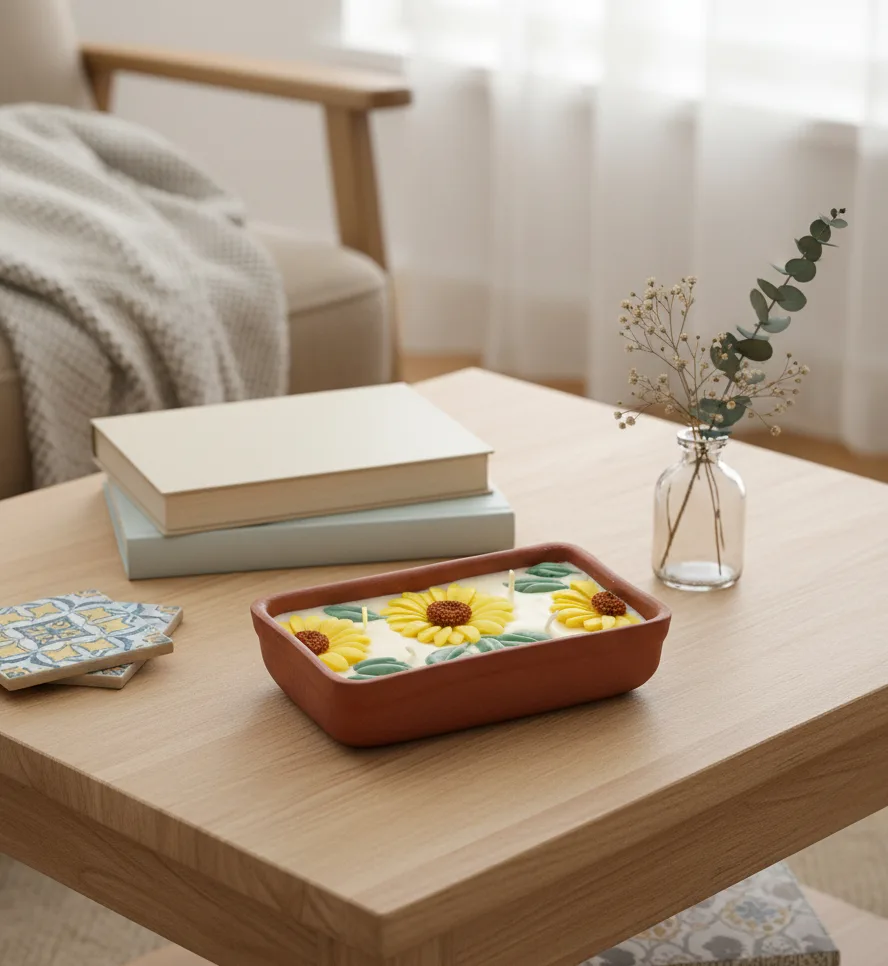
Beside them, sculptural pieces help the space hold its form.
The Golden Hour Ceramic Art catches this flickering light in its carved planes, creating a soft rhythm of reflection and shadow.
It never competes with the glow; it joins it, deepening the scene. Its glaze changes with the time of day — pale and still by morning, richer and more reflective by evening.
There’s a meditative quality in watching light slide across it, as if the art and the day are in quiet dialogue.
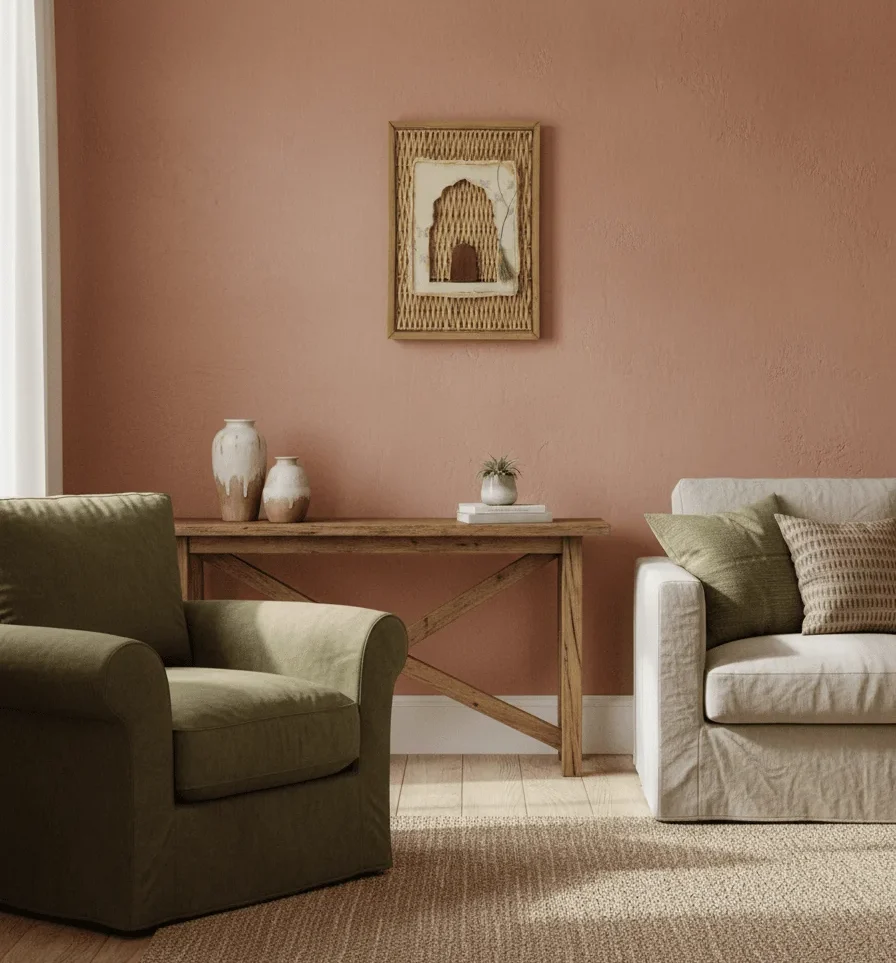
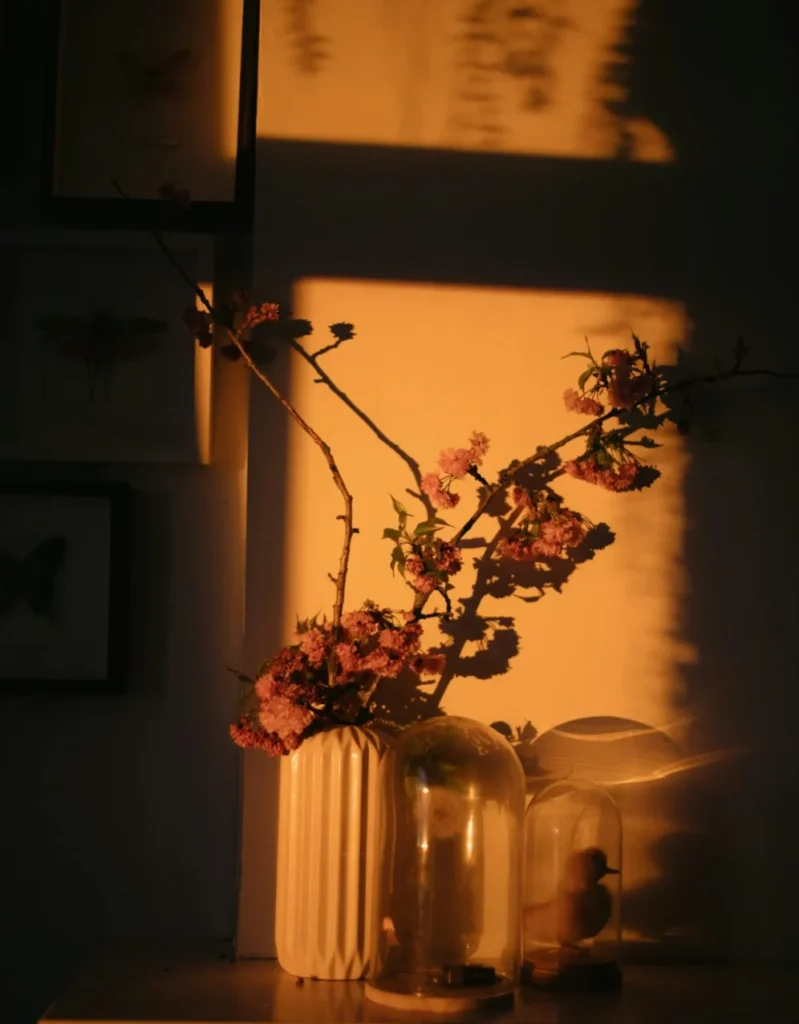
To balance the warmth, add height. A vase like the Lilting Grove Vase or Lilting Dawn Vase brings gentle proportion. Their sculpted contours turn simple stems — dried grass, a single branch, or even nothing at all — into a study in restraint.
When candlelight touches the glaze, its texture shifts, revealing the hand that shaped it. These are pieces that invite touch and hold the light differently each time you pass by.
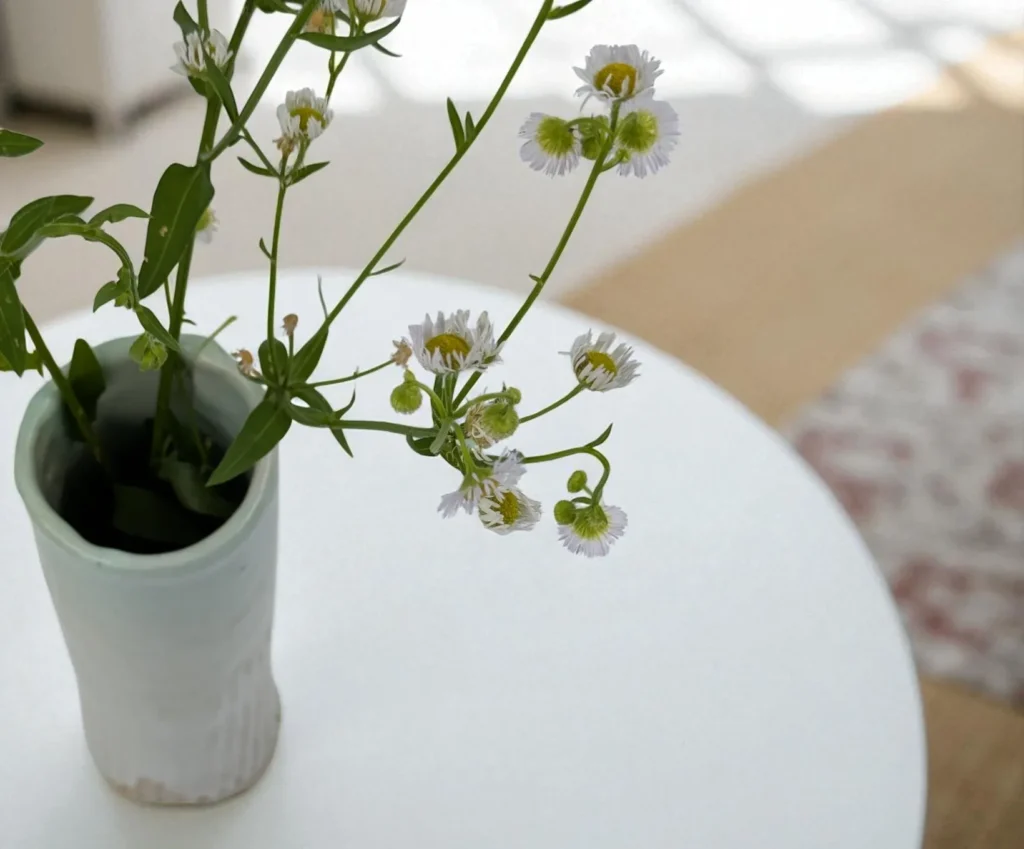
Beneath it all, texture grounds the composition. A rug like the Gulista Murmurs Rug brings muted tones that gather the scene together, its floral forms softened under winter light.
The Illusion Rug, with its geometric patterning, adds depth through shadow and symmetry — an undercurrent of stillness beneath the glow. Rugs absorb light differently from wood or ceramic; they keep the warmth close, diffused, steady.
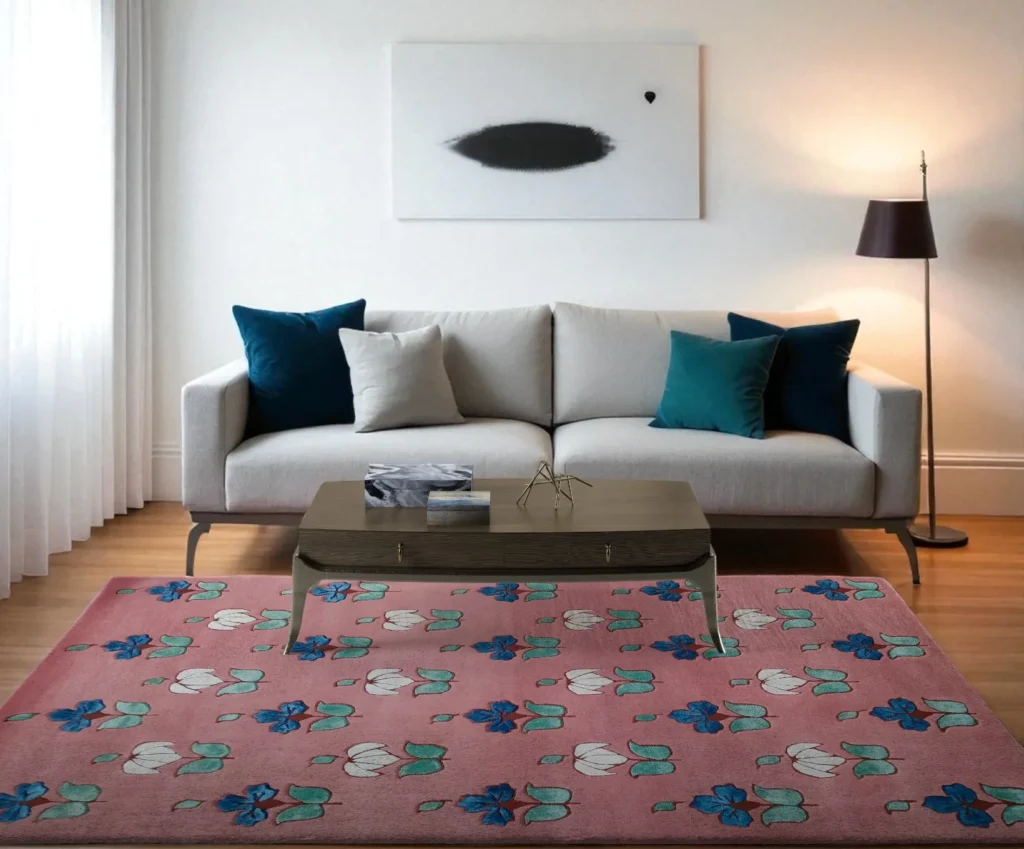
The more you look, the more you realize that light itself is the quiet artist here. It paints and erases in the same gesture. It turns objects into soft silhouettes, then into mirrors of its own movement. A candle’s flame trembles, and for a second, a ceramic edge seems to shimmer. The terracotta surface of the Surajmukhi bowl looks deeper, the glaze of the Golden Hour piece warmer, the folds of the rug more inviting. The whole room seems to breathe.
Winter light encourages restraint. It doesn’t ask for everything to be seen; it asks for a few things to be seen well. It favors honesty in materials — clay, wool, linen, wood — surfaces that respond rather than resist. When these elements meet in harmony, even a small corner feels alive. A candle’s reflection on ceramic, a vase casting a long evening shadow, a rug anchoring it all in quiet color.
As the sun sets earlier and evenings lengthen, try dimming the rest of the room. Let one lamp glow low, one candle flicker, one ceramic piece catch that last gold. Watch how the space shifts as the day closes. These are the moments that slow time down — not through silence, but through presence.
Explore the collection – tinplum.com